

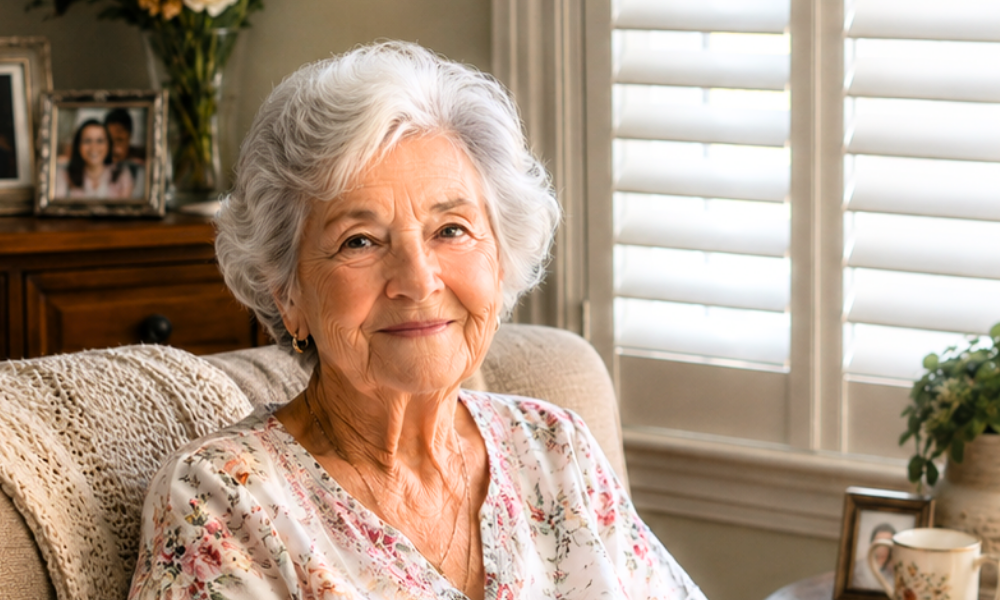
It’s July, and by 10 a.m. the sidewalks are already too hot to touch. Nobody’s out walking the dog. Nobody’s chatting by the mailbox. Even the most social neighbors start disappearing into their houses, blinds drawn, waiting out the heat.
For most of us, that’s an inconvenience. For a lot of seniors in our community, it’s the start of a much longer stretch of staying in than the summer alone can explain.
When “staying in” becomes “staying isolated”
A few hot weeks is all it takes to fall into a pattern of staying inside. It’s too hot to walk over and visit a neighbor. It’s too hot to take the golf cart out for a ride. There’s not as many activities going on at the clubhouse, either. Skipping a social visit here and a ride there doesn’t feel like much in the moment.
Before long, someone who used to be out and social many days of the week are now spending almost all their time alone inside four walls.
What isolation actually does
This isn’t just about missing out on errands or small talk. Isolation has real, measurable effects:
- Physical health declines. Less movement means weaker muscles, poorer balance, and a higher risk of falls.
- Cognitive health suffers. Regular conversation and new stimulation keep the brain engaged. Long stretches without it are linked to faster cognitive decline.
- Mood takes a hit. Loneliness is strongly connected to depression and anxiety in older adults, and it’s often overlooked because it doesn’t look dramatic from the outside. It just looks like someone quietly staying home more.
- It becomes self-reinforcing. The less someone goes out, the harder it feels to start again. Isolation builds its own momentum.
How to spot isolation in a neighbor, parent, or friend.
Isolation is easy to miss because it rarely announces itself. It shows up in small changes that are simple to explain away, especially in the summer. Here’s what to watch for:
- The car or golf cart doesn’t move much anymore. If it’s been parked in the same spot for days, that’s worth noticing.
- They stop mentioning people. No talk of a neighbor, a card game, a clubhouse class, or a friend they used to see regularly.
- Phone calls get shorter, or go unanswered. Someone who used to chat for twenty minutes now wraps things up in five, or doesn’t pick up at all.
- Their home looks less lived-in. Mail piling up, blinds always drawn, or a general sense that not much is happening there.
- They seem “off,” even if they say they’re fine. A flatter tone, less energy, or answers that feel a little too short can be early signs, even when the words themselves sound okay.
None of these on their own is a red flag. Together, or over time, they’re worth a closer look.
Summer makes isolation and depression worse, but it doesn’t have to.
Extreme heat can become a real barrier for older adults, making it harder to stay active, connected, and involved in the community. That’s why our Van and Transportation Service becomes especially important this time of year. Safe, air-conditioned rides to the grocery store, medical appointments, and the pharmacy help ensure the heat doesn’t become the reason someone stays home.
But transportation is about more than getting from one place to another. Our volunteer drivers provide conversation, connection, and a friendly presence along the way, helping reduce feelings of isolation.
And on days when leaving home isn’t possible, our friendly visitors bring connection right to the front door. Sometimes a simple visit can turn a quiet afternoon into a meaningful moment. 💙
What you can do.
If you have a neighbor, parent, or friend who’s been staying in more than usual this summer, a quick check-in matters. Ask how they’re getting to appointments. Ask what they’ve been doing for fun in this heat. Ask, honestly, how they’re doing.
If you or someone you know could use a ride, a shopping companion, or a friendly visit this summer, reach out to Neighbors Who Care. We’re here.